Senior operations & executive partner · London

Aarron McGurk

Complicated business? Good.

A high-EQ operator for complicated people and complicated organisations.

I work with founders, leaders and growing organisations when priorities are multiplying, systems have stopped scaling and important work is falling between the gaps. I bring the judgement, structure and follow-through to make complicated organisations easier to run.

Permanent · Fractional · Project

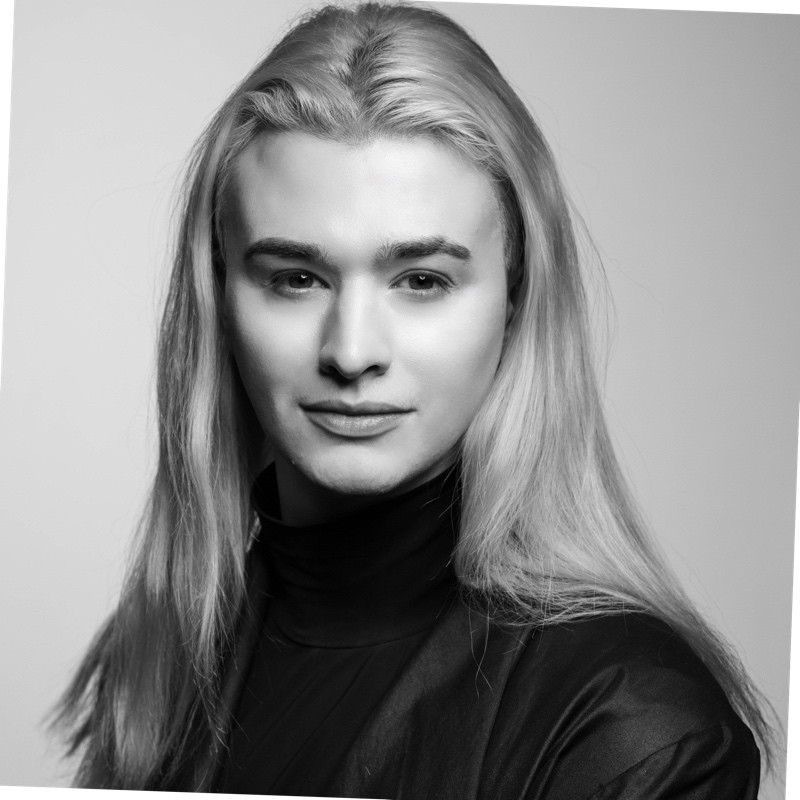
Portrait of Aarron McGurk

Things I notice in businesses

The problems are rarely as isolated as they first appear
  • Everything still comes through one person.

    The business has grown, but its founder or senior leader is still carrying decisions, context, follow-through and organisational memory.

    What I do

    Create clearer ownership, operating rhythms and follow-through so leadership stops being the operating system for the entire company.

  • Good people are working around each other.

    Everybody is doing their job, but information is fragmented and important things keep disappearing between teams.

    What I do

    Connect decisions, people and information so work has somewhere to live and somebody responsible for moving it.

  • The business has outgrown the way it works.

    What worked at five people is creating friction at twenty.

    What I do

    Work out what needs structure, what needs simplifying and what should probably stop happening altogether.

  • Everyone knows what needs fixing. Nobody has the capacity to own it.

    There are ten important things sitting permanently on the organisational to-do list.

    What I do

    Separate noise from what actually matters, create a route through it and give the work enough ownership to start moving.

  • Something significant is changing.

    Growth. Restructure. Acquisition. Integration. New leadership. New office. New technology.

    What I do

    Turn the change into practical actions, ownership and communication while keeping sight of how it lands with the people experiencing it.

  • You need another experienced brain.

    There is something important with lots of moving parts and no obvious departmental owner.

    What I do

    Understand the wider context quickly, create structure around it and stay with the work through execution.

What changes

What I’m usually trying to leave behind.

I am not interested in adding process for the sake of looking organised. Good operations should make work feel lighter.

  1. 01Less dependence on one person.
  2. 02Clearer ownership.
  3. 03Decisions that stay connected to action.
  4. 04Systems people actually use.
  5. 05Projects with somebody genuinely driving them.
  6. 06Fewer things quietly falling through the gaps.
  7. 07Change that makes sense beyond the leadership meeting.

More organisational capacity without unnecessary bureaucracy.

A point of view

Most operational problems aren’t really process problems.

They’re ownership, information or communication problems wearing a process-shaped hat.

Human judgement + operational intelligence

I don’t arrive with an operating manual and try to force a business into it. First I understand how the organisation actually works, where the friction sits, who carries the context and what people are already doing to work around the problem. Then I decide what structure is actually useful.

Complexity I’ve worked inside

Selected evidence
01

Acquisition & integration

Two businesses had to start operating together.

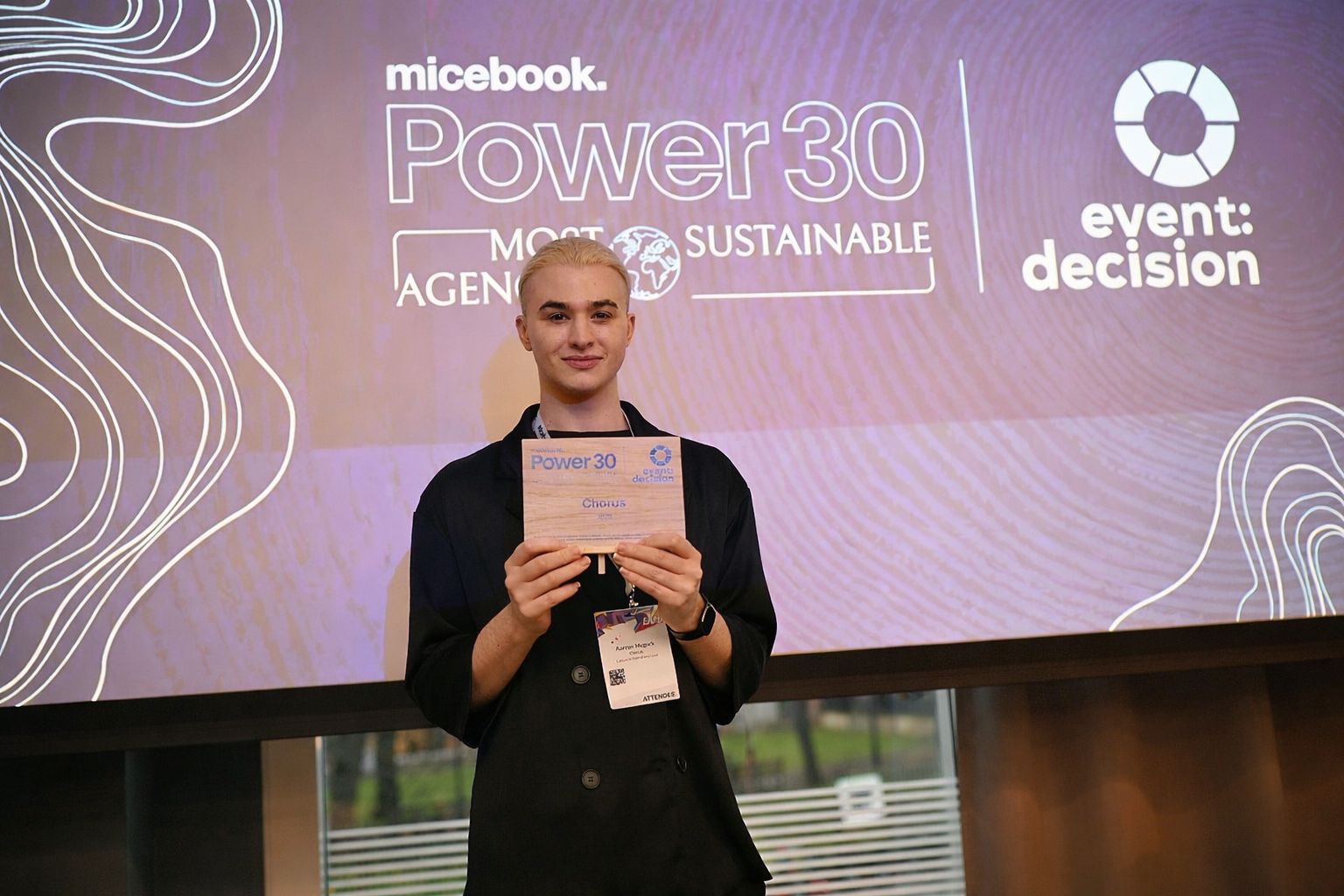
At Chorus Creative Group, I worked across leadership, workplace, IT, communications, culture and sustainability during acquisition and integration.

My role was often the connective layer: understanding decisions being made in different places, identifying dependencies and turning a complex transition into practical actions people could actually follow.

Complexity: people + operations + systems + change

02

Sustainability & governance

An ambition needed to become an operating system.

Sustainability was strategically important to the business, but good intentions alone were not enough.

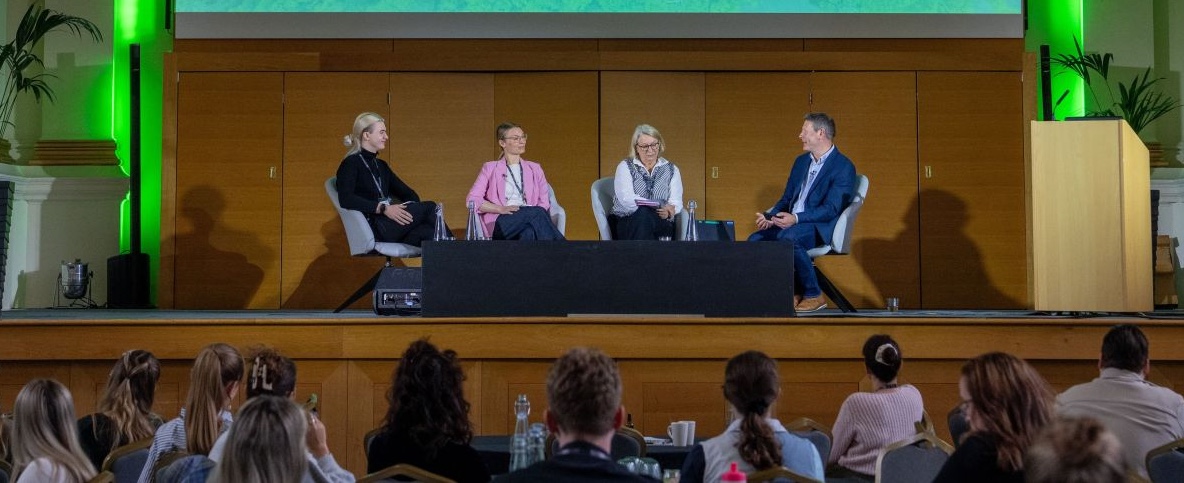
I helped develop and embed a Sustainable Event Management System aligned with ISO 20121:2024, connecting policy, project delivery, suppliers, measurement, reporting, internal forums and continuous improvement.

The important part wasn’t producing another sustainability document. It was making sustainability part of how work actually happened.

Complexity: governance + behaviour + systems + influence

03

Business continuity

The organisation was stretched and work kept appearing between roles.

During a period of restructuring and high delivery pressure, my role became what I described internally as an ‘operational shock absorber’.

I caught unowned work, kept systems usable, connected teams and maintained operational continuity across multiple workstreams.

In 2025, I closed 157 tracked operational tasks while working across culture, systems, sustainability and communications responsibilities.

Complexity: capacity + prioritisation + execution + judgement

04

High-output creative leaders

Brilliant people do not always think in workflows.

Earlier in my career I worked closely with internationally recognised creative leaders including Hans Ulrich Obrist at Serpentine Galleries and Sir Isaac Julien and his studio.

These were high-discretion, internationally connected environments involving exhibitions, publications, interviews, travel, appearances and continuously moving priorities.

The job was not to make highly creative people think more operationally. It was to understand how they thought well enough to build the organisation around what needed to happen.

Complexity: people + discretion + creativity + coordination

Complicated people

I work well with people whose brains don’t come with an instruction manual.

Not everybody thinks in workflows. Some founders think aloud. Some change direction halfway through a conversation.

Some see the complete destination before anybody else can see the first step. Some are exceptional at generating possibility and less interested in maintaining the infrastructure underneath it.

I don’t need them to become more operational. My job is to understand how they think well enough to create the structure around them.

I’m equally comfortable with the person who has fifteen ideas and the spreadsheet required to make one of them happen.

  • IdeasExecution
  • PeopleSystems
  • FounderOrganisation
  • CreativeOperational

Operating principles

A few things I’ve learned.

  1. 01

    A system nobody uses isn’t a system. It’s documentation.

    Design around the humans using it, not the software producing it.

  2. 02

    Good operations should make an organisation feel lighter, not more bureaucratic.

    Structure is only useful when it removes friction.

  3. 03

    The founder shouldn’t have to become less visionary for the company to become more organised.

    Build around strengths instead of attempting to redesign personalities.

  4. 04

    Culture becomes most visible when the business is under pressure.

    Values matter most when decisions become difficult.

  5. 05

    AI can increase capacity. It can’t decide what matters.

    Technology amplifies judgement rather than replacing it.

Different organisations need this kind of support in different ways

Where I fit
  • 01

    Permanent leadership role

    Senior Operations, Culture & Operations, Executive Business Partner, organisational generalist or appropriate Chief of Staff-style roles. A long-term home where I can understand the organisation deeply and build infrastructure that compounds.

  • 02

    Fractional or embedded operator

    Experienced operational capacity for a founder or leadership team without immediately adding another permanent senior role. Usually focused on infrastructure, priorities, cross-functional ownership or organisational change.

  • 03

    Founder or executive partner

    High-trust support around decisions, priorities, stakeholders, projects and follow-through. More operational leverage than a traditional EA relationship, without overstating this as a formal Chief of Staff proposition.

  • 04

    Defined project or change

    One important thing with a destination but insufficient internal capacity to own all the moving pieces—such as an integration, system implementation, office move, organisational reset, launch or internal programme.

I’m actively interested in the right permanent role while remaining open to fractional and project work where my experience is useful.

Experience as proof

Different worlds. The same connective work.

My experience spans the worlds of arts, culture, events and exhibitions, entrepreneurial businesses and private support—working closely with visionary leaders, prolific founders and high-net-worth individuals to bring structure, continuity and momentum to complex work.

  • 12+years in executive support and operations
  • 20+people supported through organisational growth
  • £1moperational budget responsibility

Selected environments

  • Chorus Creative Group
  • Serpentine Galleries
  • Hans Ulrich Obrist
  • Isaac Julien Studio
  • Independent practice · 2013–2021

Independent practice

From 2013 to 2021, I independently supported founders, entrepreneurs and SMEs across creative, digital and professional-services businesses—designing operational systems and providing the executive support that kept growing work organised.

Independent work is not a newly invented career pivot. It formed a major part of my earlier professional career.

  • Arts & Culture
  • Events & Exhibitions
  • Entrepreneurial Businesses
  • Private & Executive Support
  • Sustainability
  • Scaling Organisations

Something complicated?

Whether you’re hiring permanently, need extra senior capacity or have one important thing that needs an owner, I’m happy to hear what’s happening.

London · Permanent · Fractional · Project

Discuss a role or project